IN THE MOOD FOR WALLPAPER
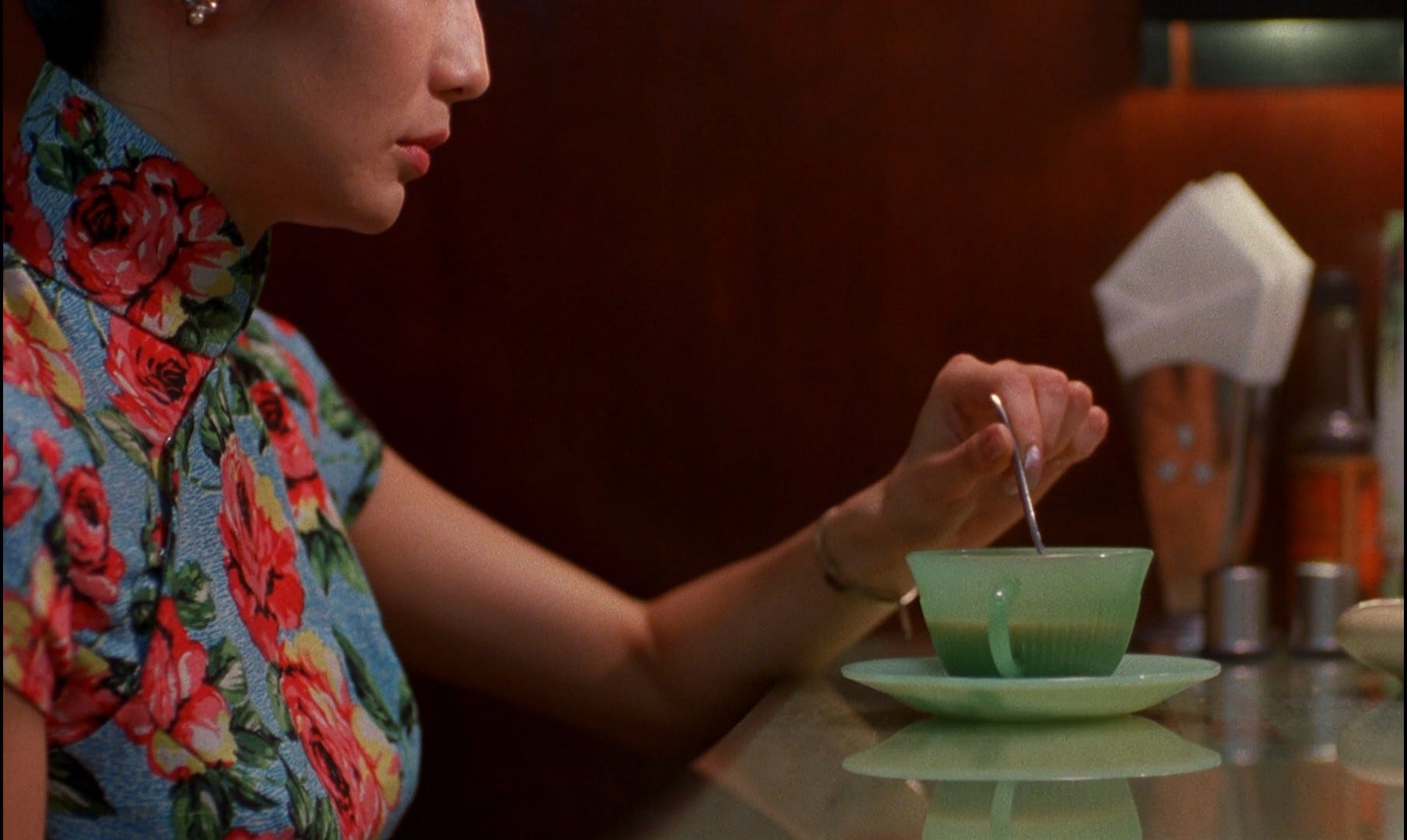
the beautiful interiors of Wong Kar-wai's smoldering 2000 masterpiece "In the Mood for Love"

Since I moved into my apartment in May, my bedroom walls have remained empty. Just sharing that fact makes me a little self-conscious. Part of it is for lack of things to hang up, a collection I am eternally in the process of amassing and yet never through with. My living room houses my desk, my couch, my books, my guitars, and the bits of decor I am most fond of; if I’m not sleeping, I’m not in my bedroom. But truthfully, those walls have stayed empty because I have always viewed this space as fleeting. I’ve wanted to leave this apartment almost since the moment I arrived, and leaving those walls bare feels like a quiet act of protest, a forced ephemerality even as the days and weeks and months undeniably mark off-white as the color of my home. While I still want to move come spring, watching Wong Kar-wai’s 2000 film In the Mood for Love has made me come to regret the decision not to decorate, however passive it was. Even a fleeting thing claims its own weighty place in our lives.
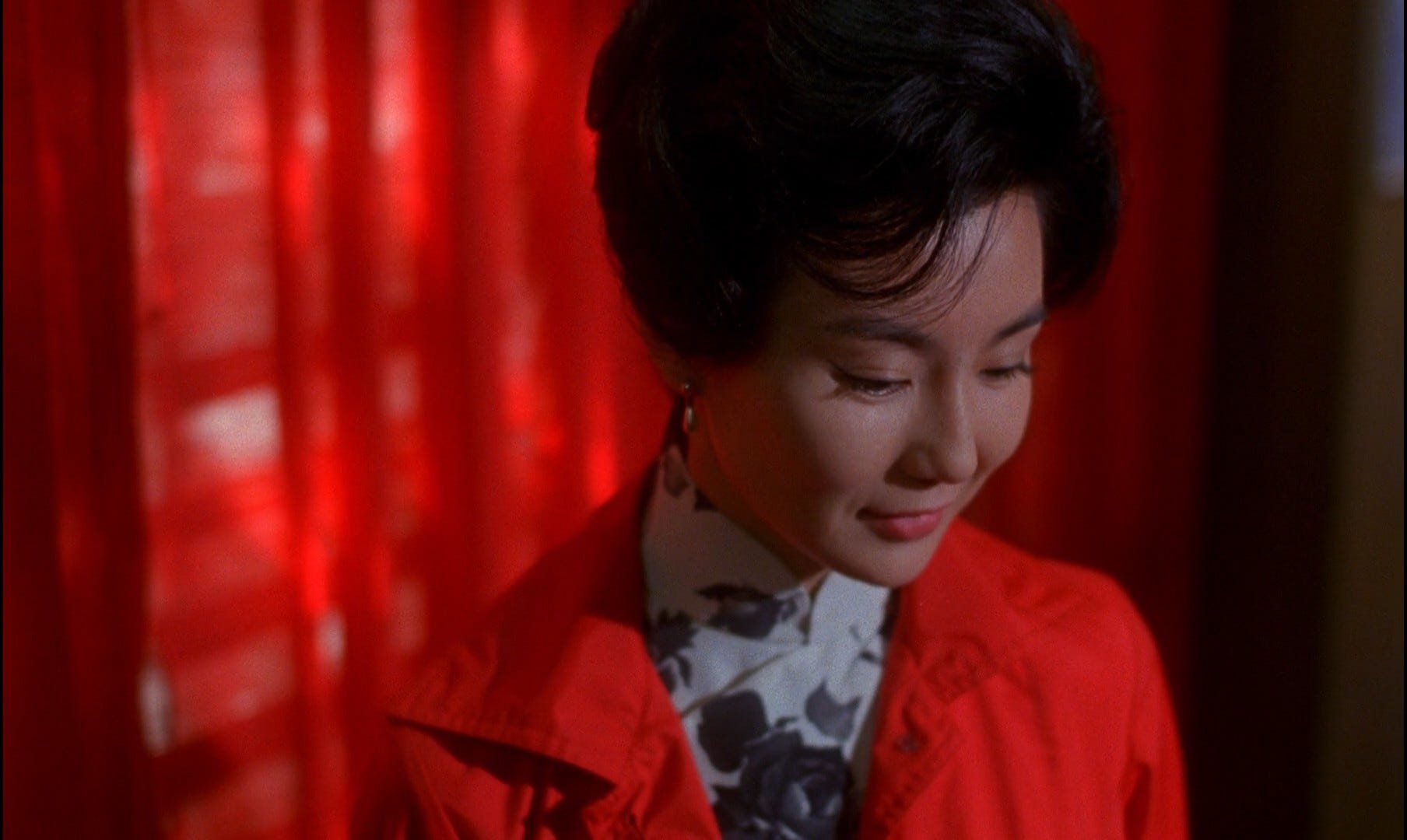
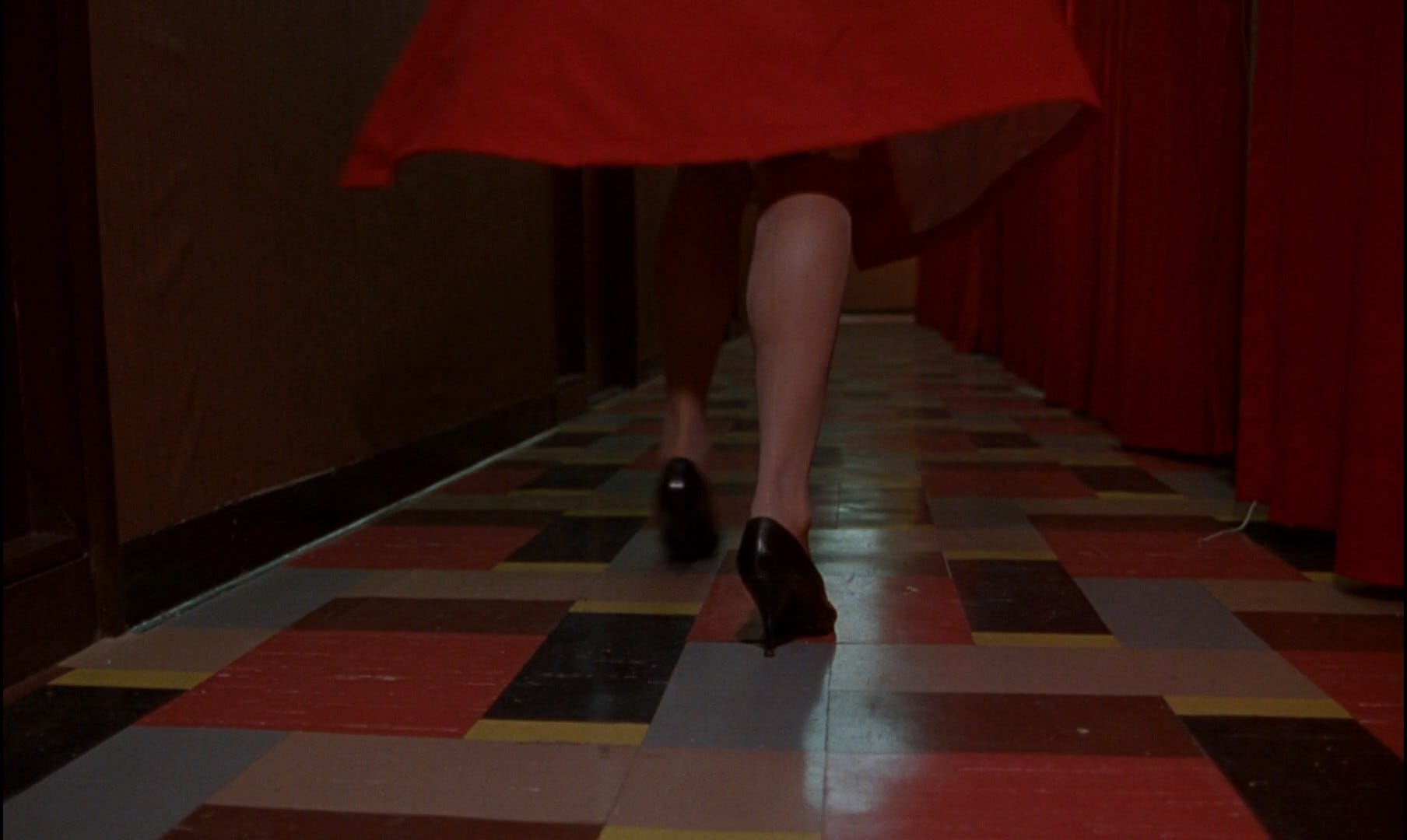
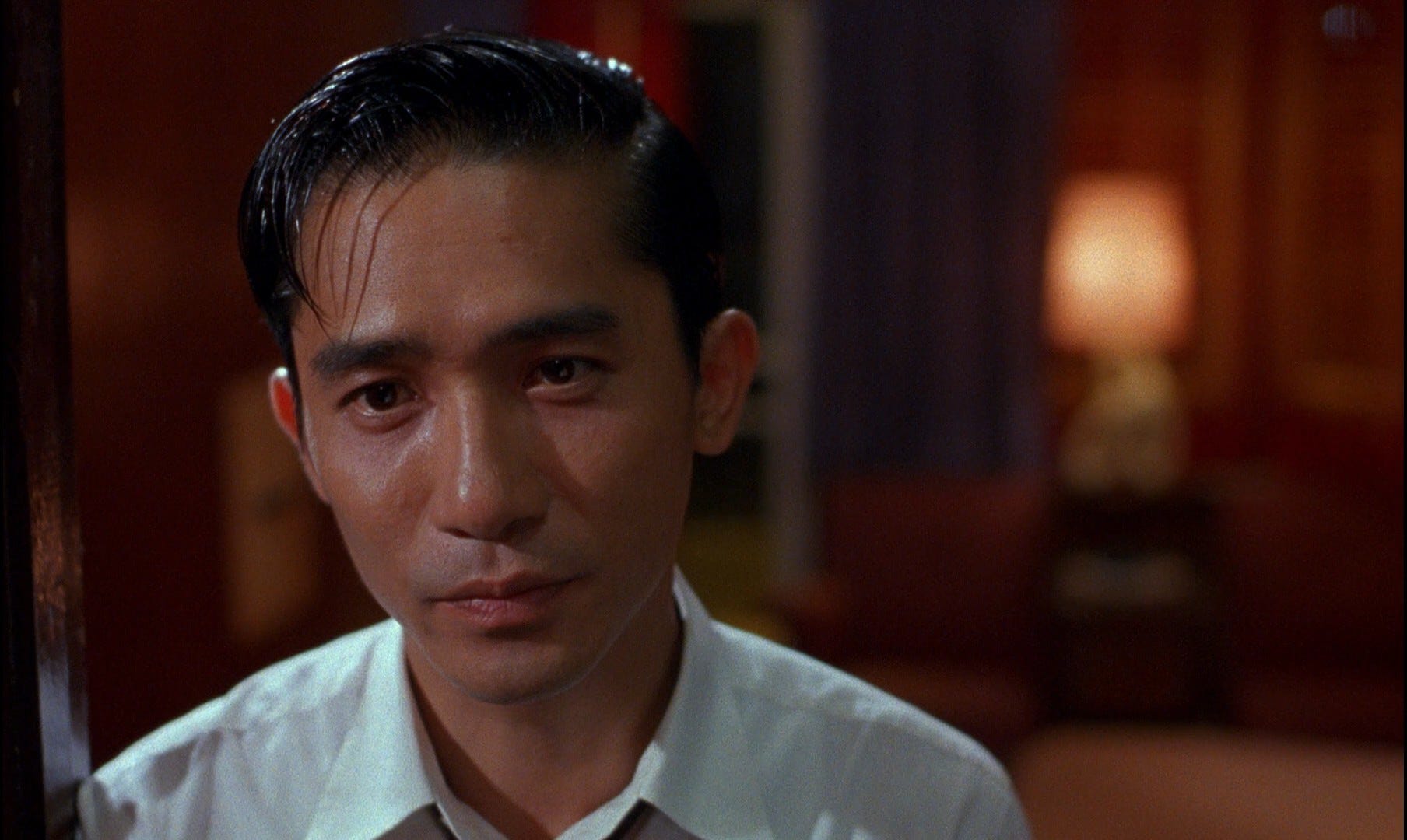
In the Mood for Love is about a love left unsaid and unacted upon, but whose power bubbles desperately under the surface. There are almost no establishing shots in the film—set almost entirely in small rooms, corridors, and hallways, In the Mood for Love is unconcerned with the space outside its main characters Chow (Tony Leung) and Su’s (Maggie Cheung) relationship. The viewer is thrust into the inches of air between them, made to inhale the thick smoke of their yearning. There is an unbearable closeness to it all, an intimacy so intense that you can feel the body heat of the characters on screen, close confines transforming the very act of breathing into a dramatic heaves, chests rising like a mountain erupting from the earth.
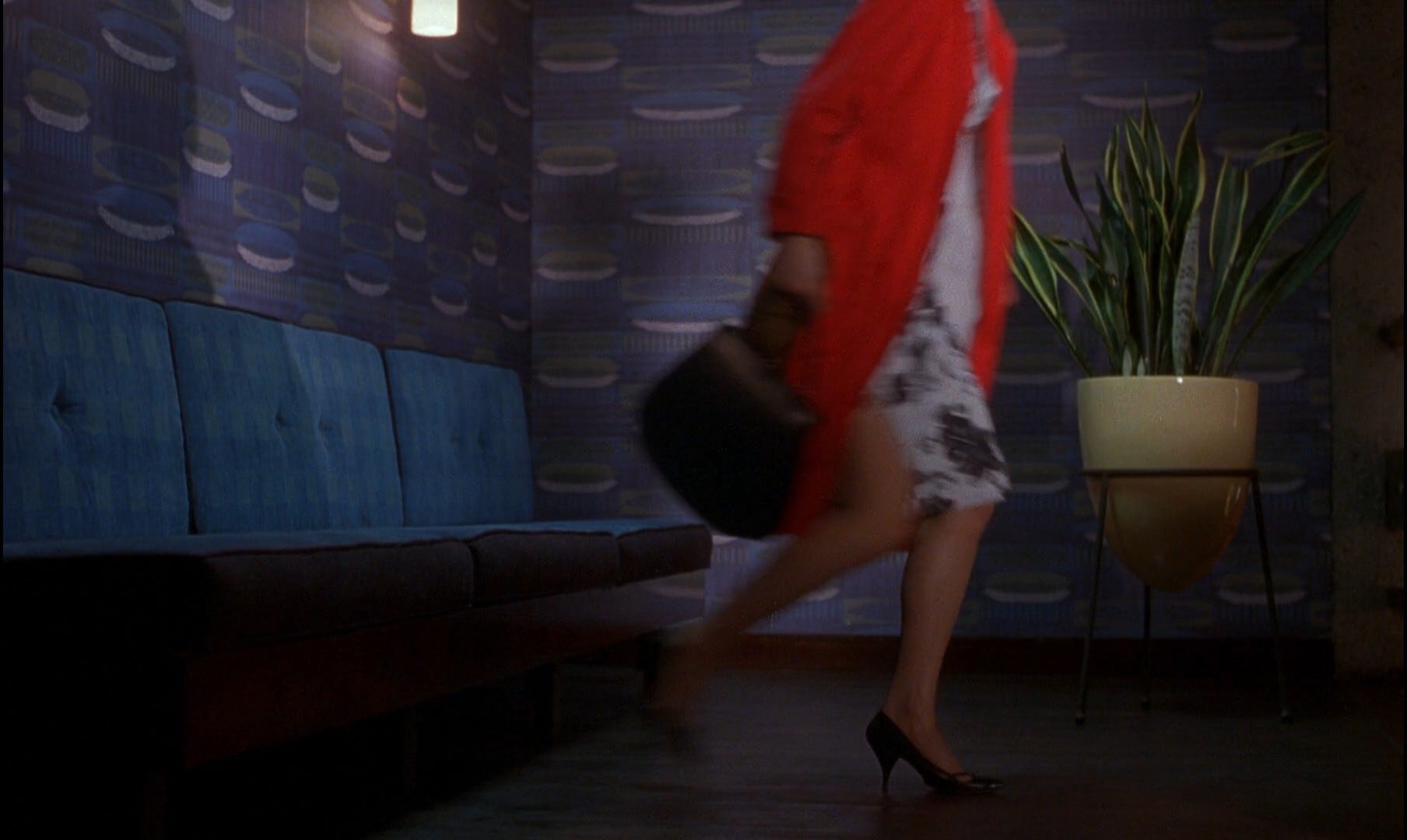
Proclamations of love left unspoken, Su and Chow’s spaces are left to speak for them. And they have much to say. A period piece set in ‘60s Hong Kong, In the Mood for Love’s interiors are rich with detail. The confines of a small, rented bedroom are made fathomless by mirrors that extend the space, lampshades that radiate solemn warmth, floral curtains swaying like ghosts, clothing whose textures and patterns make us long to touch. Even the clutter of pill bottles on desks and dirty plates on nightstands are made to look beautiful. And the wallpapers—my god, the wallpapers, which somehow seem to morph and dance in response to Su’s beautiful dresses and the rhythm of her longing.
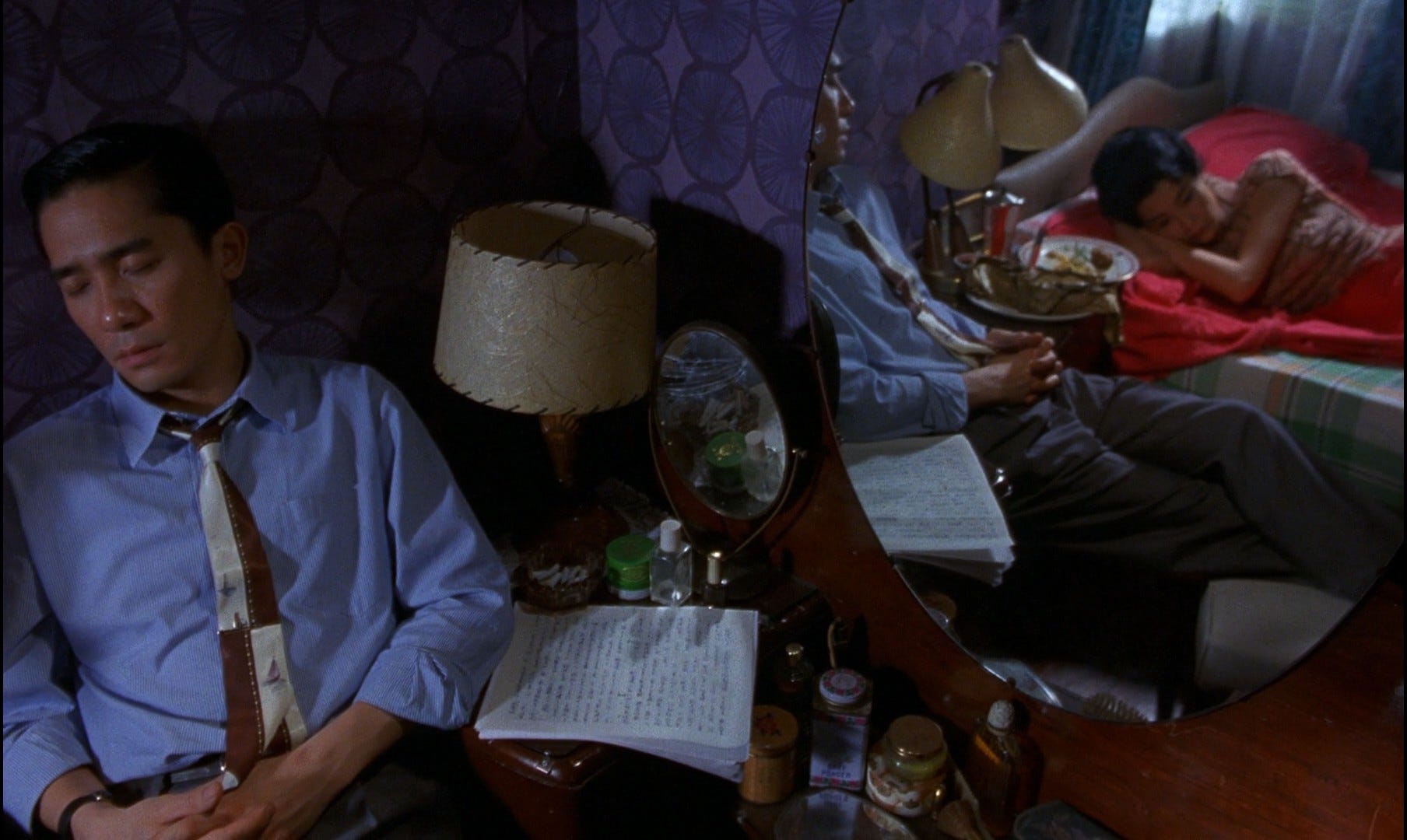
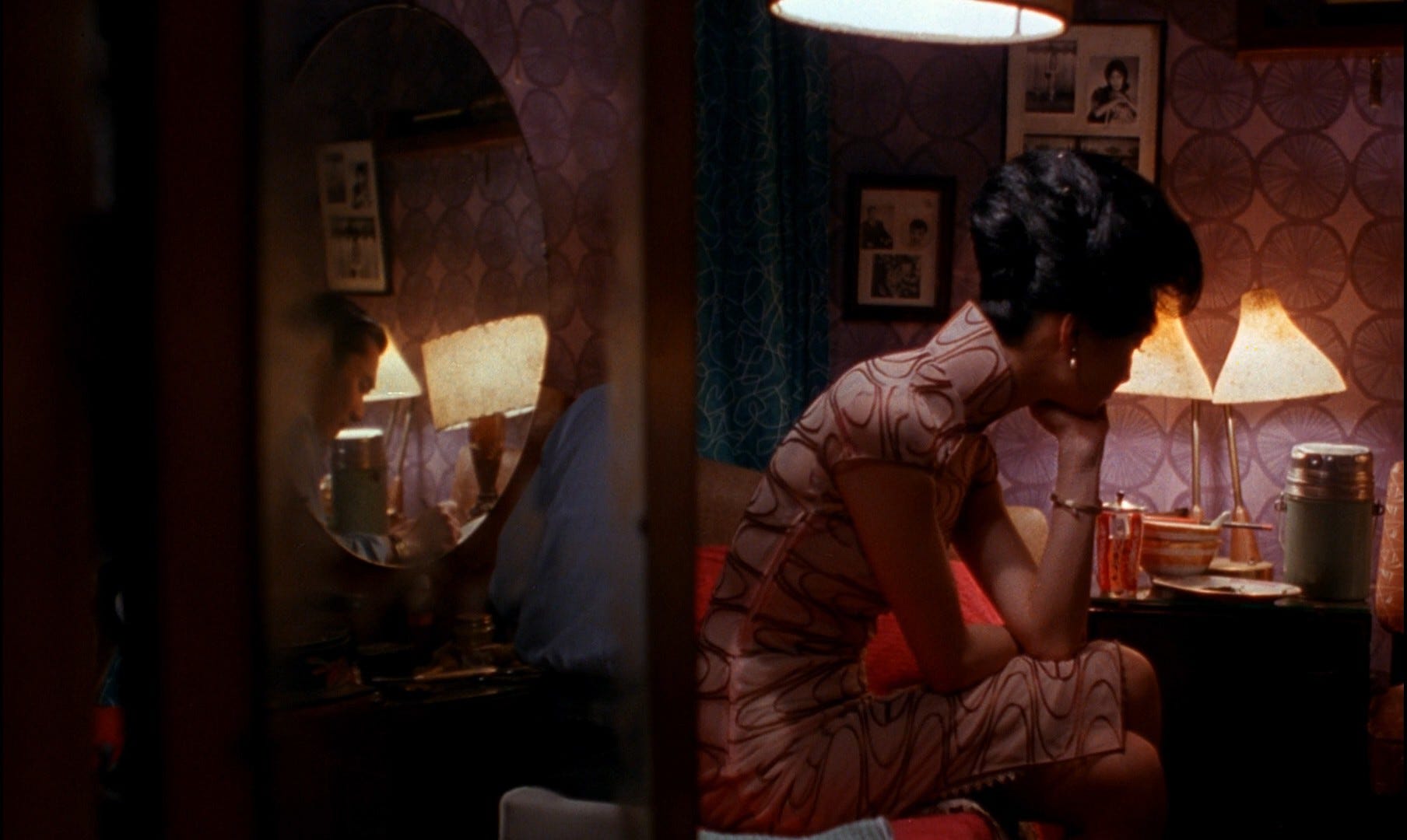
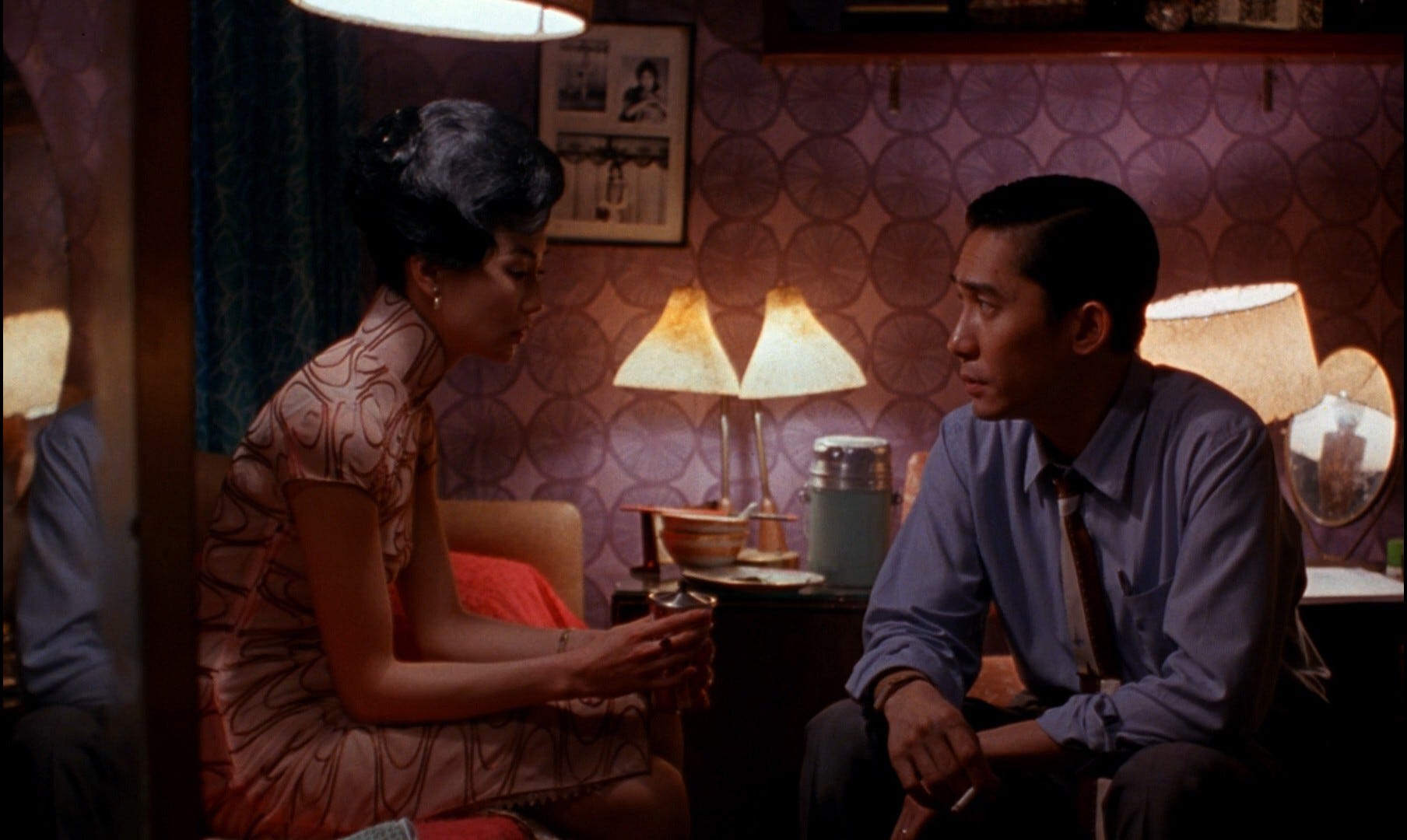
The memories made—and not made—in these small quarters stick with Chow and Su for the rest of their lives. Something as coldly practical as a soup thermos becomes infused with personhood, the turquoise canister taking them back to those chairs, that wallpaper, the dimly lit stairwell where an electrifying glance was first exchanged.
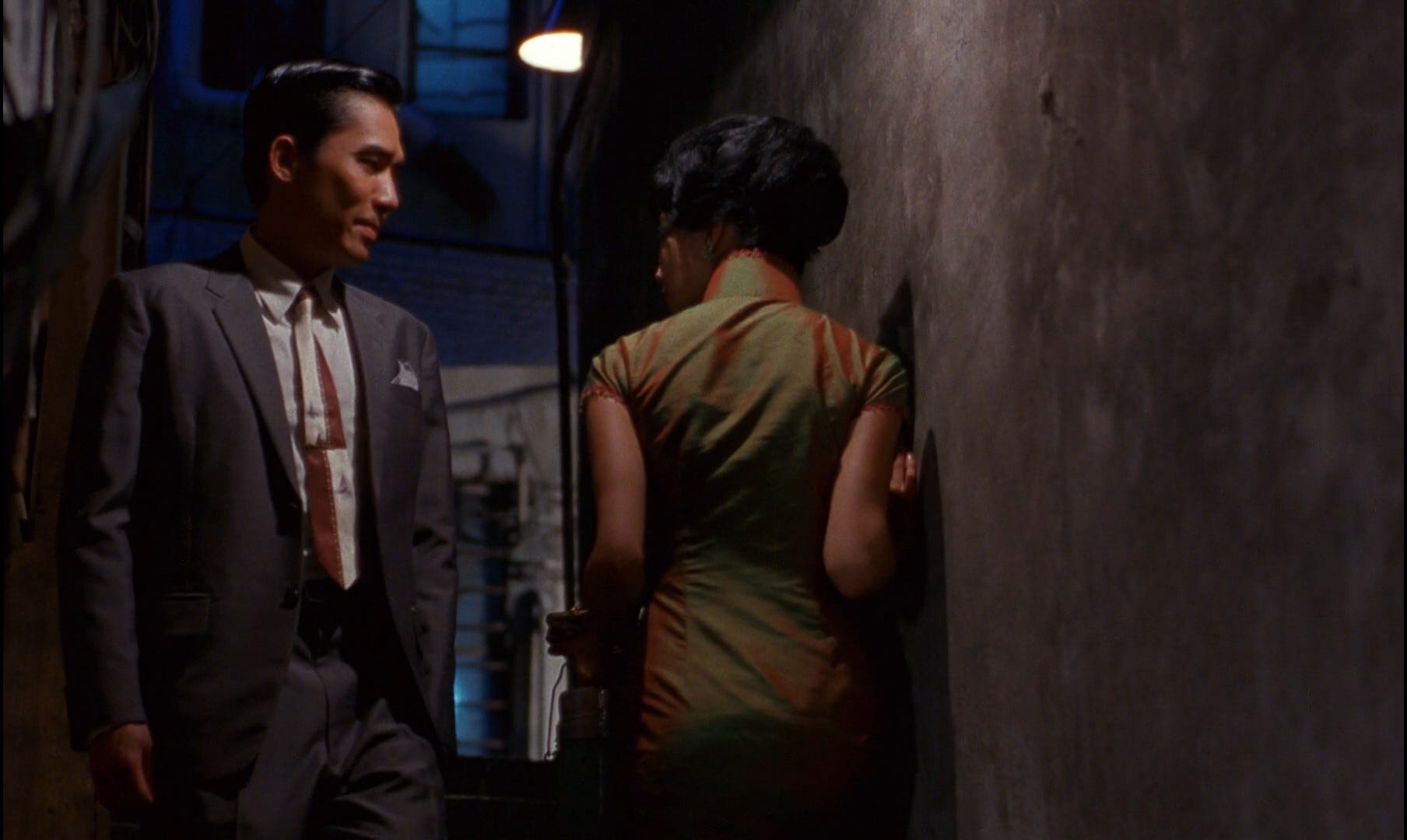
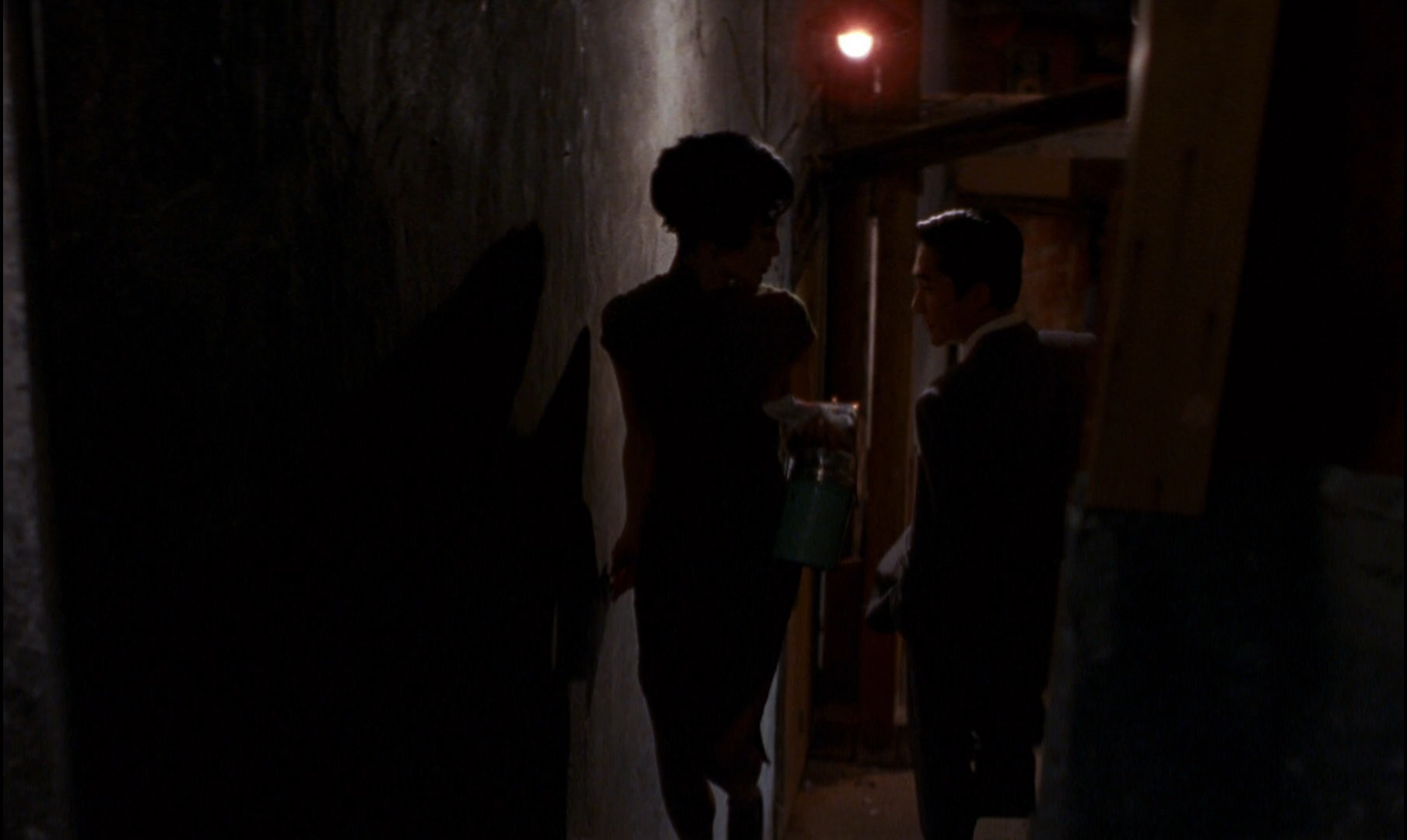
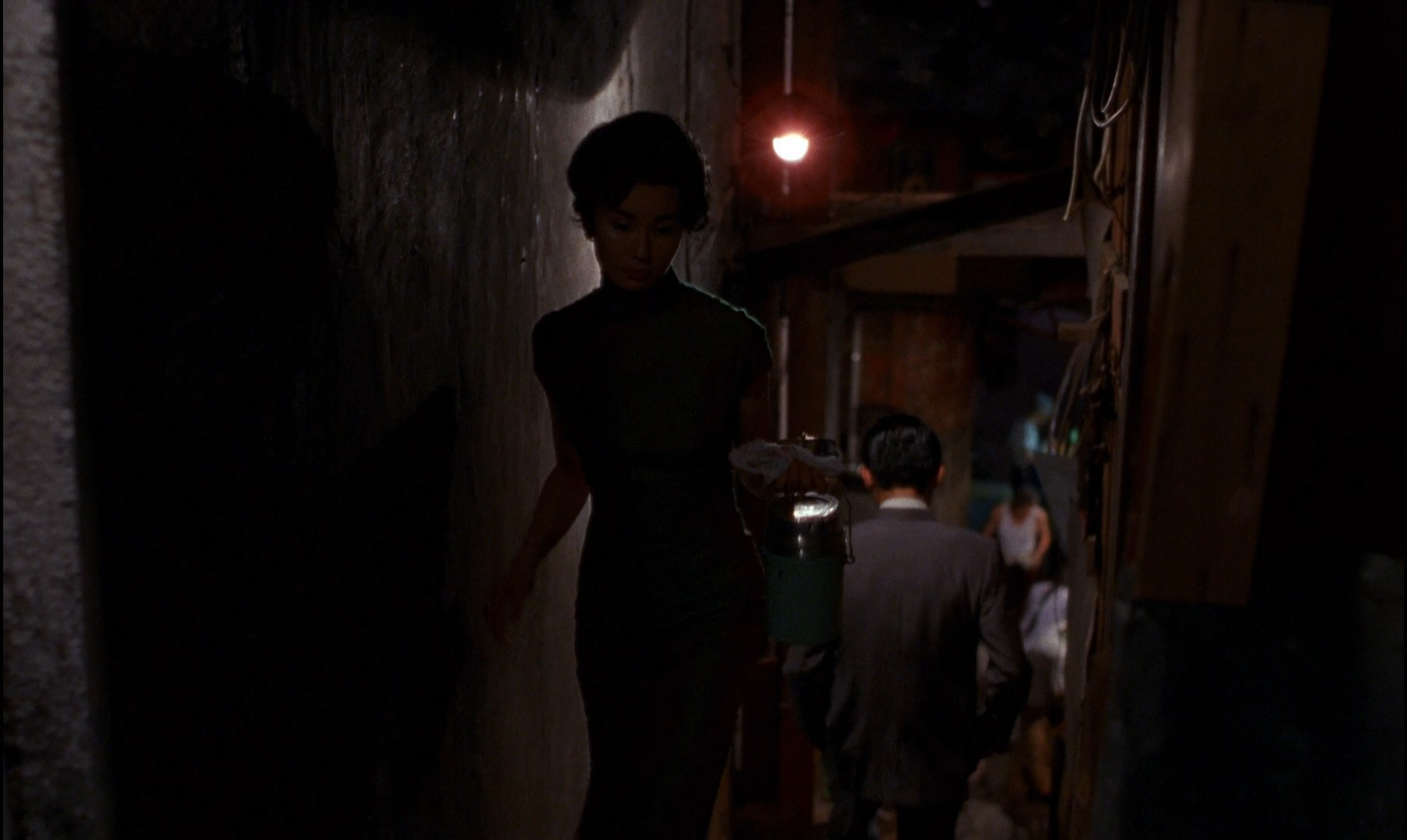
In the Mood for Love’s singular power radiates through every frame. It’s taking all I have not to make this an endless stream of stills from the film, each one a perfect stand-in for its beautifully considered style and mood. I suppose what struck me so much about this film is how lived-in and dense its spaces are, adding color and context to the characters’ lives. Why am I robbing myself of that same richness? As much as there are things about my bedroom I don’t like, I have still lived there, had people there, made memories there—things I want to honor with more than bare walls when I recall them in the diorama of my mind. The lesson of In the Mood for Love certainly is not that connection requires beautiful interiors and beautiful people, but those spaces become as much a part of Chow and Su’s relationship as their words.
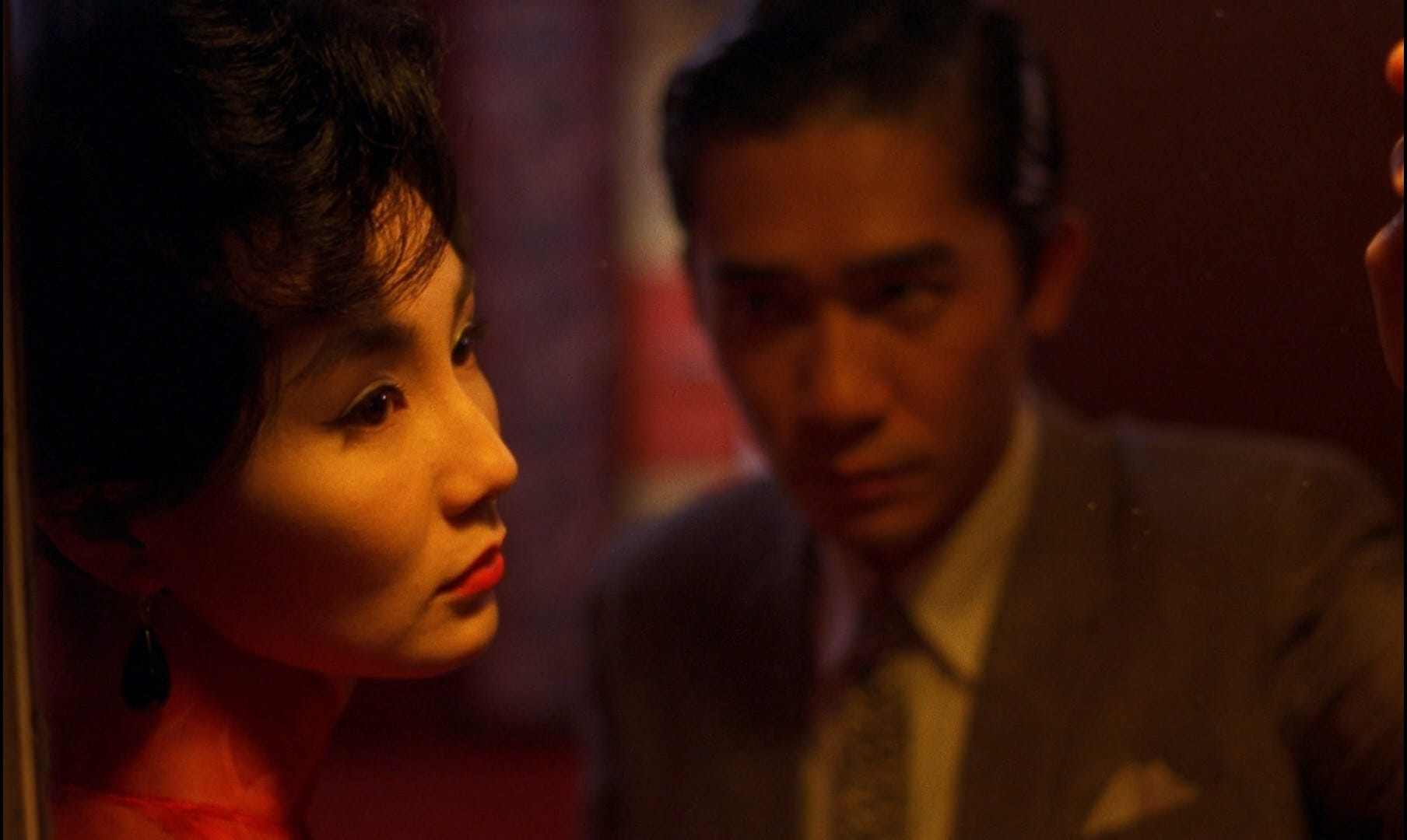
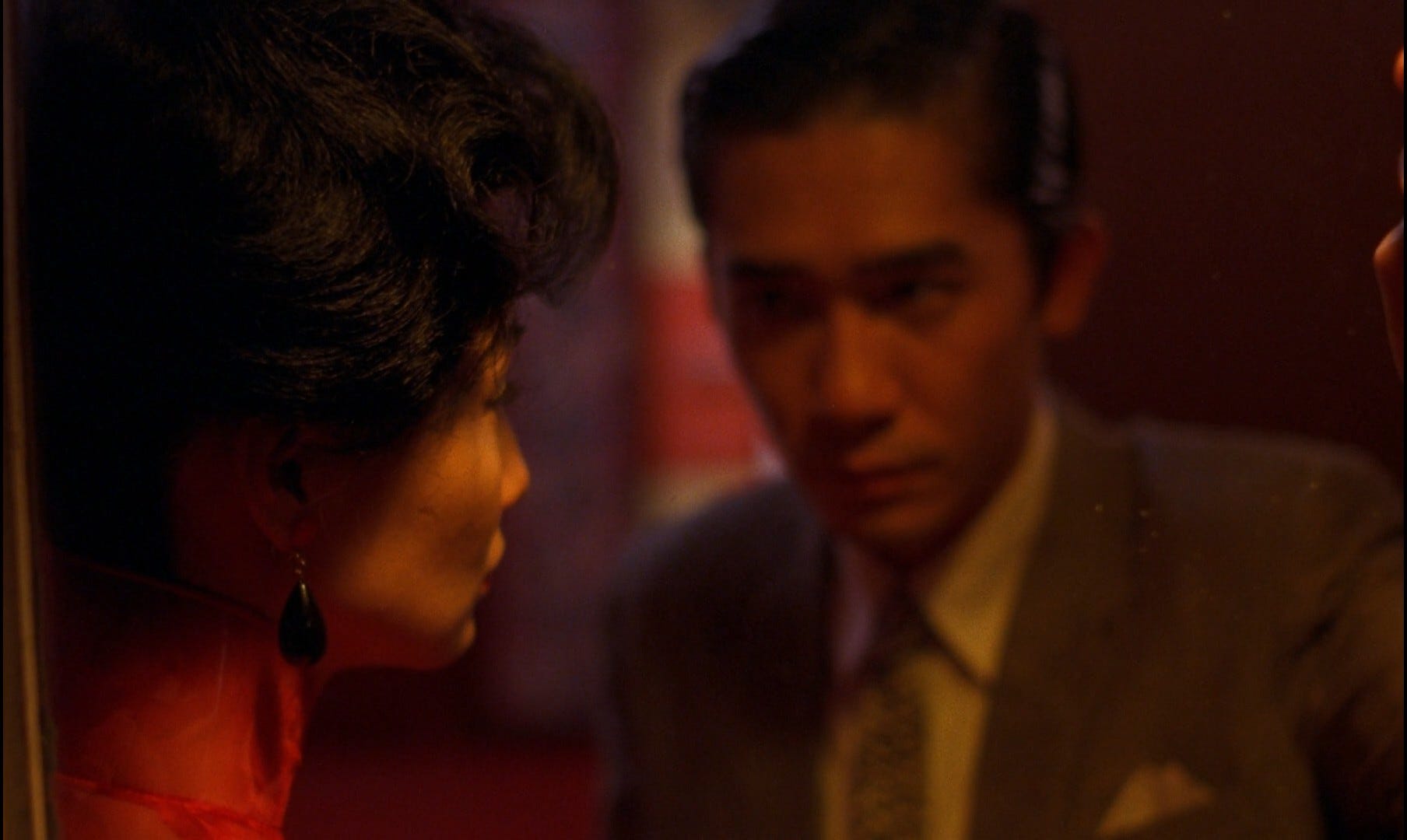
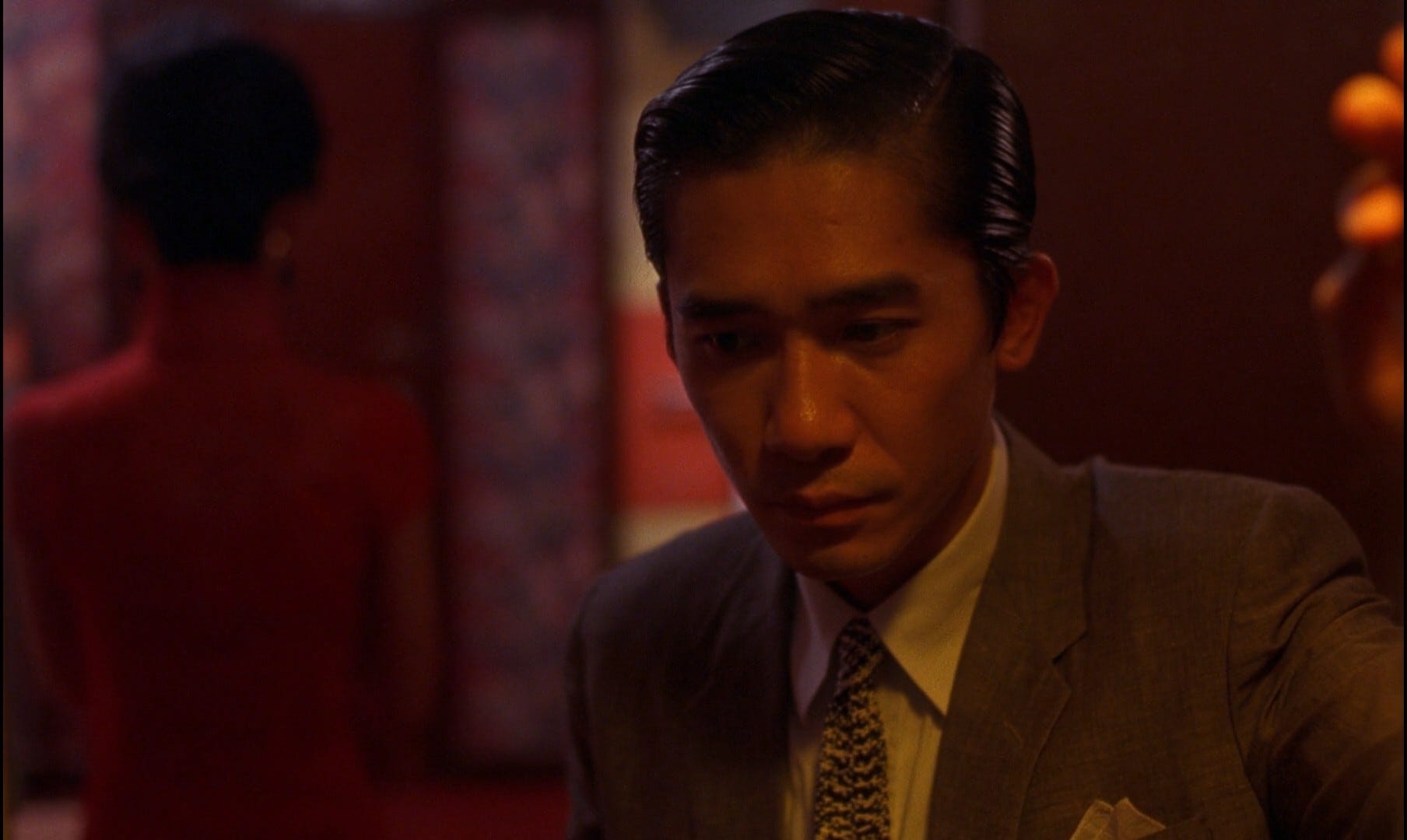
I feel compelled to write about this movie in the hopes that it will help me break free of the spell it has cast on me. Living spaces, memories, longing—these are just a few of the things in this film that have made a permanent impression on me. Like remembering an old love, it’s a story and space that I will revisit time and again to recall the specific mood only it can convey.